Acne scars are not one thing. A narrow, deep pit, a wide, shallow dip and a sharp-edged depression each form differently and sit at different depths in the skin. That is why a single treatment rarely answers all of them, and why a plan usually comes in layers.
Acne scarring is common: the British Association of Dermatologists notes that it affects around one in five people who have had acne. Whether you scar is largely down to genetics, but inflammation plays a key role. The deeper an inflamed spot reaches into the skin, the more likely it is to scar, and picking and smoking add to the risk. The encouraging part is that most scars can be reduced in appearance.
Know the scar before you treat it
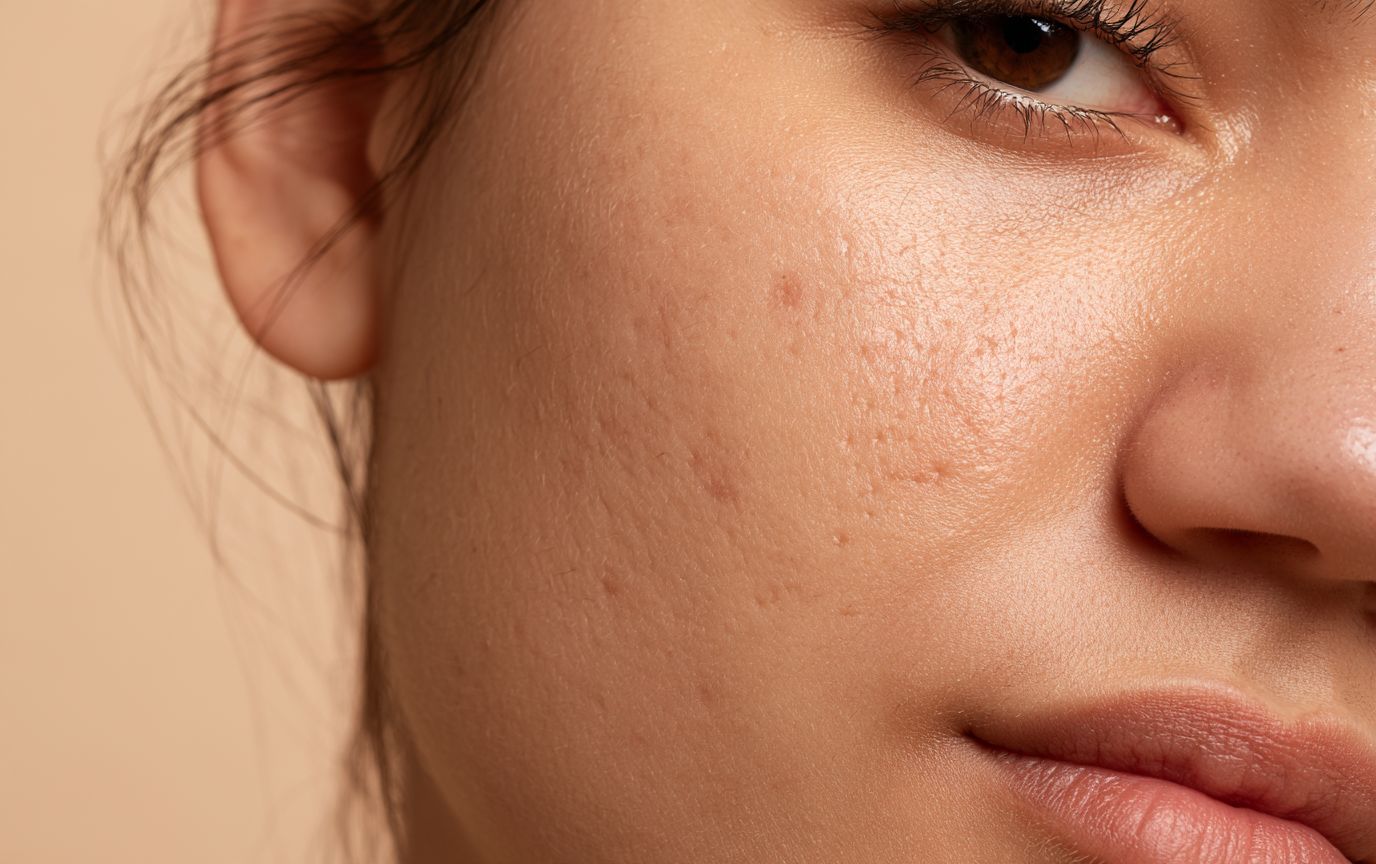
Raised scars, known as hypertrophic and keloid scars, are more common on the chest, back and shoulders and in darker skin types, and are managed differently. Depressed, or atrophic, scars are more common overall, and come in three main forms:
- Ice-pick scars are narrow, usually under 2mm, and deep, tapering to a point. They often extend below the depth that surface resurfacing can reach.
- Boxcar scars are round or oval with sharp, vertical edges, typically 1.5 to 4mm across. Shallow ones are within reach of resurfacing; deeper ones are harder to improve from the surface.
- Rolling scars are wider, often more than 4 to 5mm, with soft, sloping edges. Fibrous bands tether the skin to the tissue beneath, creating an undulating surface that resurfacing alone cannot release.
More than one type can appear on the same face. Flat red or brown marks left by spots are a separate matter: they are discolouration rather than scarring, can fade with time, and are treated differently.
The layers
Because each scar type sits at a different depth for a different reason, the clinical literature favours combining techniques rather than relying on one. A plan is usually built from three layers.
Release. Subcision uses a fine needle beneath the skin to cut the fibrous bands that tether rolling scars, allowing the surface to lift. Bruising is common and usually settles within about a week. DROM Clinic does not offer subcision; if it may suit your scars, we will suggest you see a dermatologist. In selected cases a filler can then lift a depressed scar further, though the effect is temporary.
Resurfacing and remodelling. Microneedling creates controlled micro-injuries that prompt new collagen. Radiofrequency microneedling adds heat at depth; one systematic review found it slightly less effective than non-ablative fractional laser but with a gentler side-effect profile, and the reported risk of pigment change in darker skin is low, though the evidence overall is limited. Resurfacing usually takes several sessions, with redness and swelling that typically settle within a few days. Chemical peels can help shallow scarring, and a focal technique using high-strength trichloroacetic acid, known as TCA CROSS, is used for ice-pick scars. Ablative lasers can produce the greatest change, at the cost of more discomfort, downtime and pigment risk. Some deep ice-pick scars respond better to minor surgical techniques such as punch excision.
Regeneration. Platelet-rich plasma, prepared from a sample of your own blood, can be combined with microneedling. A meta-analysis of 14 controlled studies found the combination more effective than microneedling alone, although only four were randomised trials and most were small.
Before you start
Active acne should be under control first. Treating scars while new spots are still forming wastes effort, and some procedures can aggravate breakouts. If you still have active acne, we will suggest you see your GP or a dermatologist first. If you are taking, or have recently taken, a prescription acne medicine, say so, as it can affect when some procedures are advisable.
Skin tone matters too. Darker skin produces more pigment after injury, so post-inflammatory hyperpigmentation is a real consideration after resurfacing, and device choice, settings and sun protection all need care. Then there are expectations. Collagen remodels over months, so improvement is gradual, and the aim is a meaningful reduction in how visible scars are, not flawless skin. Results vary between individuals.
How we approach it at DROM
Every patient has an in-person consultation before any treatment. It is a clinical conversation, not a sales one. We identify the scar types you have and discuss which approaches suit them, then plan treatments in sequence over time, with follow-up consultations included so the plan can adjust as your skin responds.
If acne scarring has been on your mind, book a consultation and we will talk you through what is realistic for your skin.
Each type of acne scar sits at a different depth for a different reason. A good plan treats the scars you actually have, in the order they need.