
Sunlight is the main environmental cause of skin ageing. Its effects build quietly over years and surface later as lines, uneven colour and a change in texture. Some of that damage can be improved with treatment. All of it is worth preventing.
Two kinds of ultraviolet light
Ultraviolet B reaches the outer layer of the skin and causes most sunburn. Ultraviolet A travels deeper, into the dermis, where it contributes more to ageing than to burning. Both can damage the skin and both can cause skin cancer. Ordinary window glass blocks most UVB but lets through varying amounts of UVA, depending on the type of glass.
In the dermis, ultraviolet exposure raises the enzymes that break down collagen and slows the production of new collagen. Repeated over years, that is photoageing.
What sun damage looks like
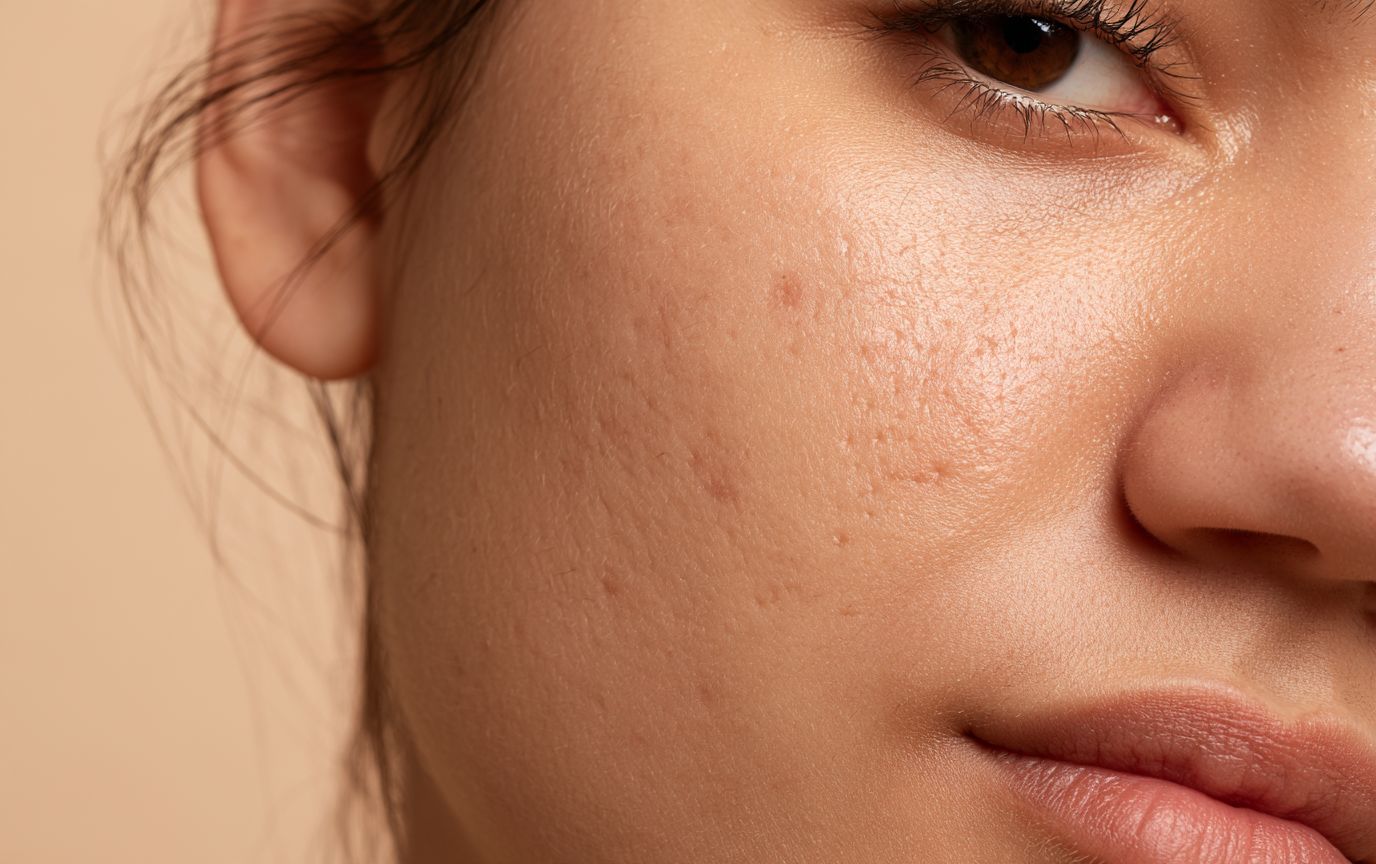
Photoaged skin tends to show coarser lines, sun spots, mottled pigmentation, small visible blood vessels and a loss of elasticity. How it presents depends partly on skin tone. In lighter skin the changes are generally more marked overall. In deeper skin tones, uneven pigmentation is often the main concern, and sun exposure can make existing dark patches more noticeable. Melasma, which appears as brown or greyish patches on the face, can be triggered or worsened by ultraviolet light.
Some changes are not cosmetic. Actinic keratoses are dry, rough, scaly patches caused by sun damage, often on the face, scalp, ears and hands. They are not usually serious, but a small number can develop into skin cancer, so new or changing patches should be checked by a GP.
Check first, treat second
Aesthetic treatment is not a substitute for skin-cancer assessment. If you notice a new mole, growth or lump, or a mole, freckle or patch that changes in size, shape or colour, see your GP, who can refer you to a dermatologist if needed. If you have darker skin, check your palms, soles and nails too. Any pigmented spot should be properly assessed before laser or light treatment, and anything atypical diagnosed rather than treated cosmetically.
Once anything needing medical attention has been ruled out, several approaches can soften the visible signs:
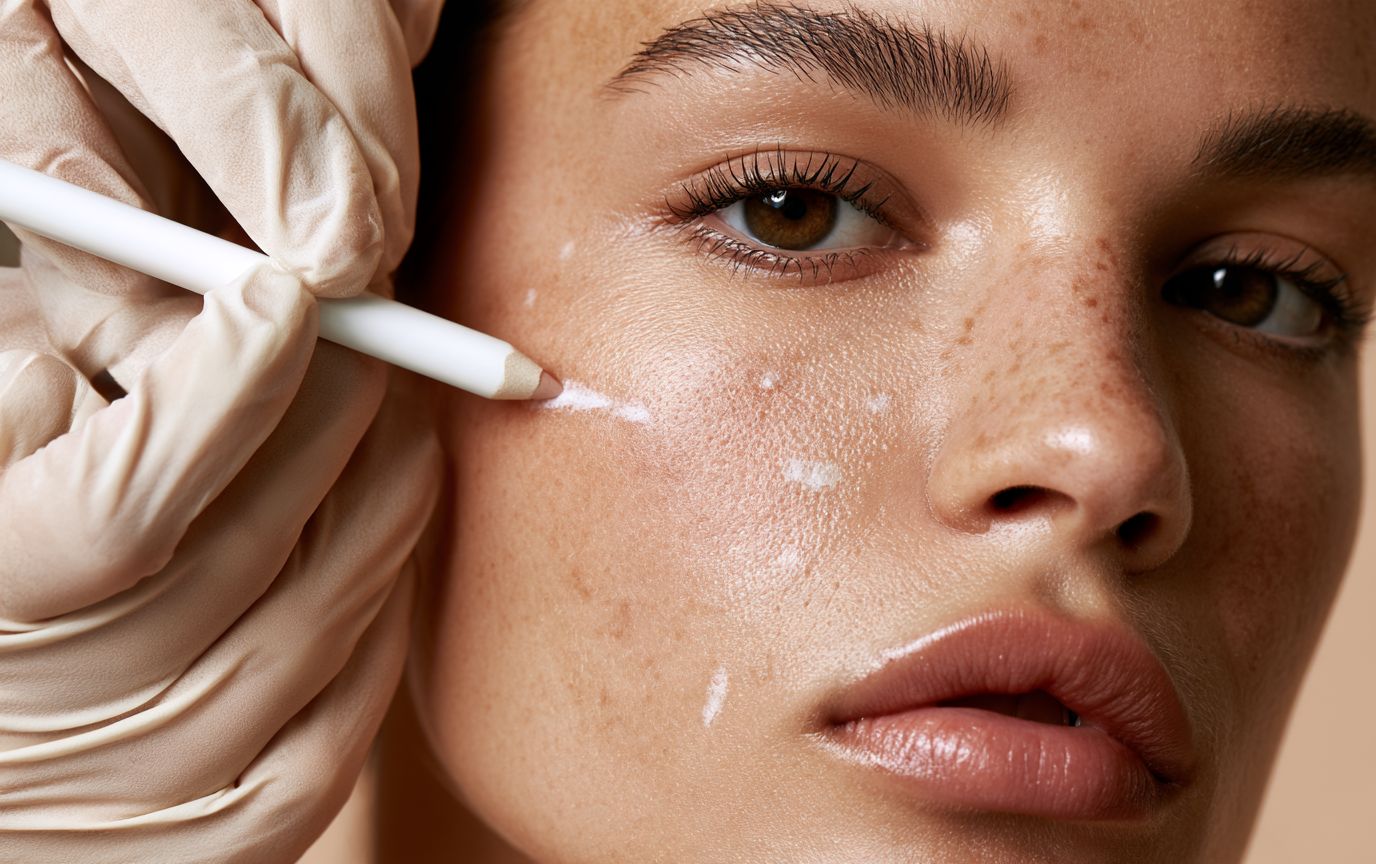
- Intense pulsed light uses broad-spectrum light absorbed by pigment and small blood vessels. Studies report improvement in sun spots, uneven pigment and visible vessels, usually over several sessions. Most of that evidence is in lighter to medium skin tones, and it is not suitable for every skin.
- Q-switched laser delivers very short pulses that break up pigment, and is used for discrete sun spots.
- Chemical peels resurface the outer layers in a controlled way and are used for fine lines and photoageing.
- Collagen-stimulating treatments such as microneedling address texture and fine lines more than colour.
- Skincare supports all of the above, and a doctor can advise on skincare at consultation.
Each carries some downtime and some risk. Darker skin types face a higher risk of pigment change after laser, light and peel treatments, so the choice of device and settings matters. Melasma needs particular care: laser and light can help, but it often returns, and aggressive treatment can make pigmentation worse. Results vary between individuals.
Protection is the part that keeps working
Treatment addresses damage already done. Protection limits what comes next. In a randomised trial in Queensland, Australia, where UV levels are high, adults who applied sunscreen daily showed no detectable increase in skin ageing over four and a half years.
NHS and British Association of Dermatologists guidance is to use a broad-spectrum sunscreen of at least SPF 30 with four- or five-star UVA protection, applied generously and reapplied every two hours and after swimming or towel-drying. In the UK the sun is strongest between 11am and 3pm from March to October. Shade, clothing, a wide-brimmed hat and sunglasses do much of the work, with sunscreen on the skin left exposed. For white skin, the British Association of Dermatologists recommends protection once the UV index reaches 3. For black and brown skin, routine protection is usually unnecessary in the UK unless there is a medical reason, but if pigmentation is a concern, protecting the affected areas helps stop it becoming more noticeable; abroad, where UV levels can be far higher, follow local advice. After peels, lasers or light treatments, healing skin of any tone is more prone to pigment change, so protection matters more while it recovers.
How we approach it at DROM
Every patient has an in-person consultation before any treatment, and for sun damage that begins with your skin type, your concern and your history of sun exposure. It is a clinical conversation, not a sales one. Plans often combine treatments over time, with follow-up consultations included.
If sun damage is something you have started to notice, book a consultation and we can look at it together.
Treatment can soften the signs of sun damage already done. Protection limits what comes next, and it is the part that keeps working.