
Skin boosters and dermal fillers are often mentioned in the same breath. Both are injected, and both commonly use hyaluronic acid. But they are designed for different problems: one restores structure, the other works on the quality of the skin itself. Knowing which is which is the start of a sensible plan.
The same molecule, two different jobs
Hyaluronic acid occurs naturally in the skin, where it binds and holds water. What changes its behaviour as an injectable is how it is made. Dermal fillers are cross-linked into a cohesive gel, firm enough to hold a shape and stay where it is placed. Skin boosters are typically softer, lower-density products, intended to spread through the skin rather than sit as a defined volume.
Depth follows purpose. Filler is placed deeper, beneath the skin or close to the bone, to support tissue, restore volume or define a contour. A skin booster is placed within the skin itself, usually as many small injections spread across an area.
What a dermal filler does
Filler addresses shape. Over time the face can lose volume and support, and light falls differently across it as a result. Well-placed filler can restore some of that support, soften certain folds, or bring definition to an area such as the cheek or chin. Its effect is visible straight away, although it is judged properly once any swelling has settled, and it commonly lasts somewhere between six and eighteen months, depending on the gel and the area.
What a skin booster does
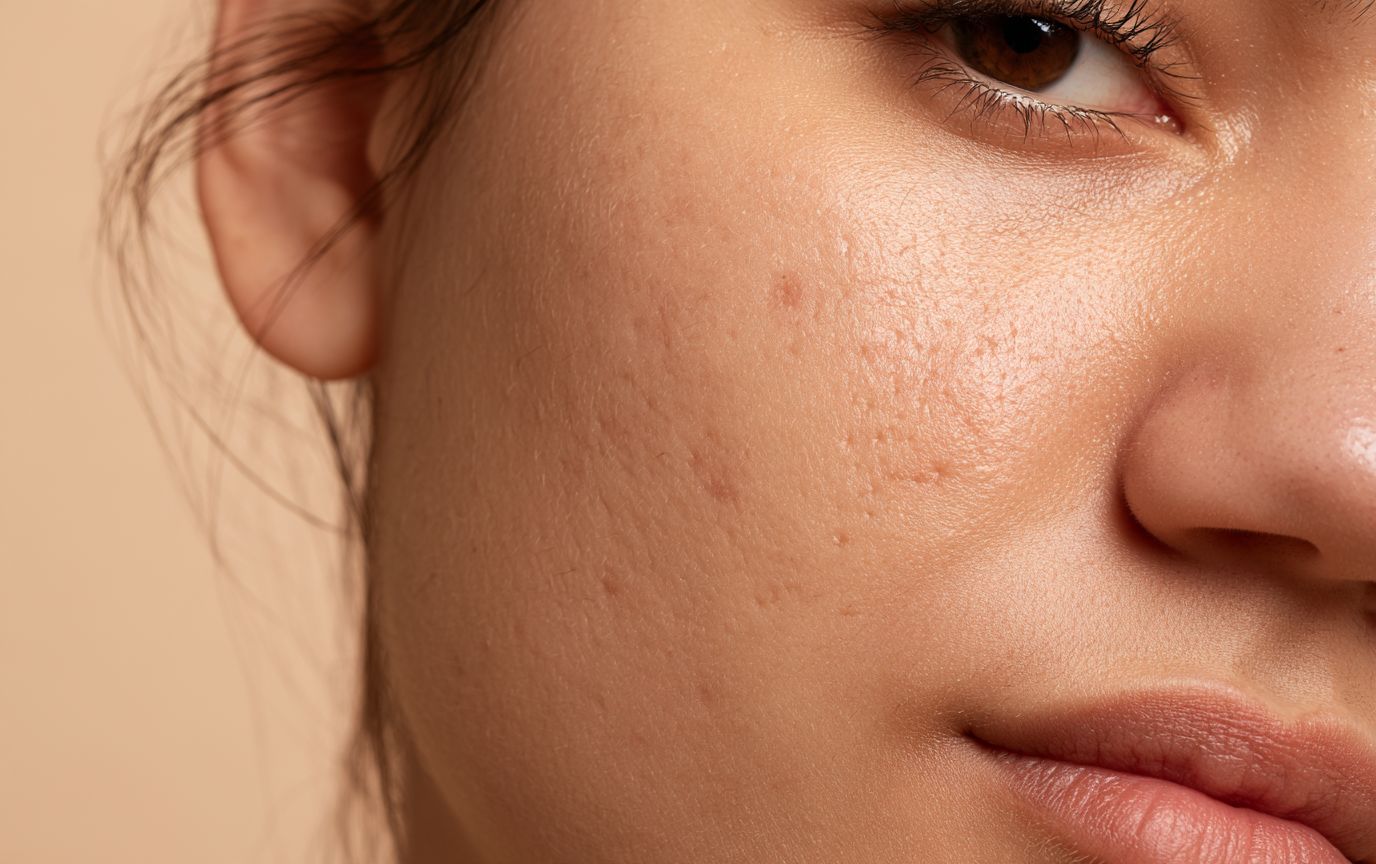
A skin booster addresses quality: how the skin looks and feels, its hydration, radiance and texture. It is not designed to lift, to add volume or to change the shape of the face, and should not be expected to.
The evidence is encouraging but still developing. A 2025 systematic review of controlled trials found improvements in skin hydration and radiance after hyaluronic acid injections, but no clear change in elasticity, and noted how widely products and methods vary. Long-term outcomes have been little studied. Skin boosters are usually given as a short course rather than a single session; in published studies, the most common schedule is three treatments around four weeks apart. Maintenance is then planned around how your skin responds.
It also helps to know that “skin booster” is a broad label rather than a precise medical term. It is now applied to a range of injectables, not all of them hyaluronic acid. It is worth asking what a product actually is, rather than what it is called.
Neither is without risk
Both treatments involve injections, and both commonly cause redness, swelling, tenderness or bruising that usually settles on its own. Small bumps can appear after superficial injections.
The rare but serious risk is a blocked blood vessel, which can damage the skin and, in the most severe cases, affect vision. It is discussed chiefly in relation to volumising filler, but it is not confined to it: an arterial complication has been reported even in a trial of hyaluronic acid injected to improve skin quality. The same anatomical care applies to both.
Choosing between them
Side by side, the difference is simple to state:
- Dermal filler: a firmer gel, placed deeper, to restore support, volume or contour
- Skin booster: a softer product, placed within the skin, to improve hydration, radiance and texture
- Both: an injection, with the same need for assessment and anatomical care
The useful question is not which treatment is better. It is what has actually changed. If the concern is lost support or shape, a skin booster will not answer it. If the concern is dull or dehydrated skin, adding volume will not correct it. Many people have a little of both, and a plan may combine approaches over time.
That is a clinical judgement, made at an in-person consultation before anything is booked. Sometimes the answer is neither: dry skin, for instance, is not always a problem an injection should solve. For skin quality over the longer term, our skin longevity programme takes a planned rather than piecemeal approach. If you are unsure which applies to you, book a consultation and we will start there.
A filler changes shape. A skin booster changes the skin. Knowing which problem you actually have is most of the decision.