Collagen is the scaffolding of your skin. It gives the dermis its strength and much of its resilience. With time, the body makes less of it and breaks down more, and much of what we recognise as ageing skin is that slow imbalance made visible.
That imbalance explains why some treatments change the quality of your skin over months while others change only its shape.
What collagen is, and what it does
Collagen is a structural protein made by cells in the dermis called fibroblasts. In adult skin, type I collagen makes up roughly 80 to 90 per cent of the total and type III around 8 to 12 per cent. Together they form a dense network of fibres that gives skin its firmness and its ability to withstand stretch.
The cells and the network depend on each other. Intact fibres hold fibroblasts under gentle mechanical tension, which keeps them productive. As fibres fragment, fibroblasts lose that tension, make less new collagen and more of the enzymes that break it down. The loss becomes self-reinforcing.
Two kinds of ageing
Dermatologists describe two overlapping processes. Intrinsic ageing is the passage of time itself. In one study, a marker of new collagen production was around two-thirds lower in the skin of people over 80 than in adults aged 18 to 29, while collagen-degrading enzymes rise gradually with age. After the menopause, as oestrogen falls, skin collagen content declines further.
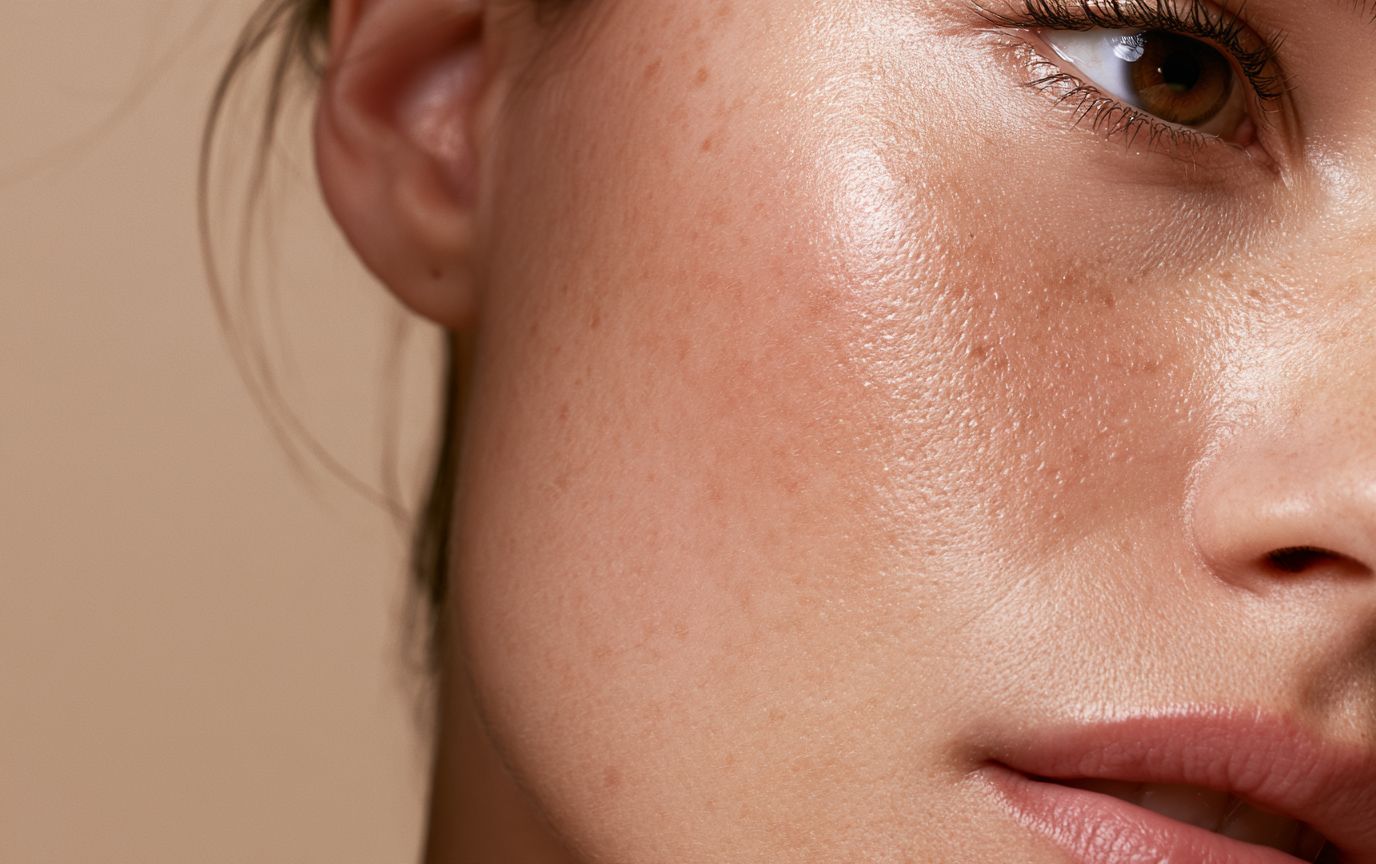
Extrinsic ageing is what the environment adds, and ultraviolet light is its main source. Even moderate sun exposure that stops short of burning sharply raises the enzymes that degrade collagen and suppresses new production. Researchers describe photoageing as chronological ageing, accelerated. Smoking adds to the burden: in one study, smokers’ skin made type I and type III collagen at measurably lower rates than non-smokers’.
Rebuilding is not the same as filling
It helps to separate two goals. A hyaluronic acid filler is designed primarily to restore volume in a particular place. Collagen-stimulating treatments aim at something slower: prompting your own fibroblasts to lay down new fibres, which changes the quality of the skin rather than its contours. The approaches with the clearest rationale fall into a few groups:
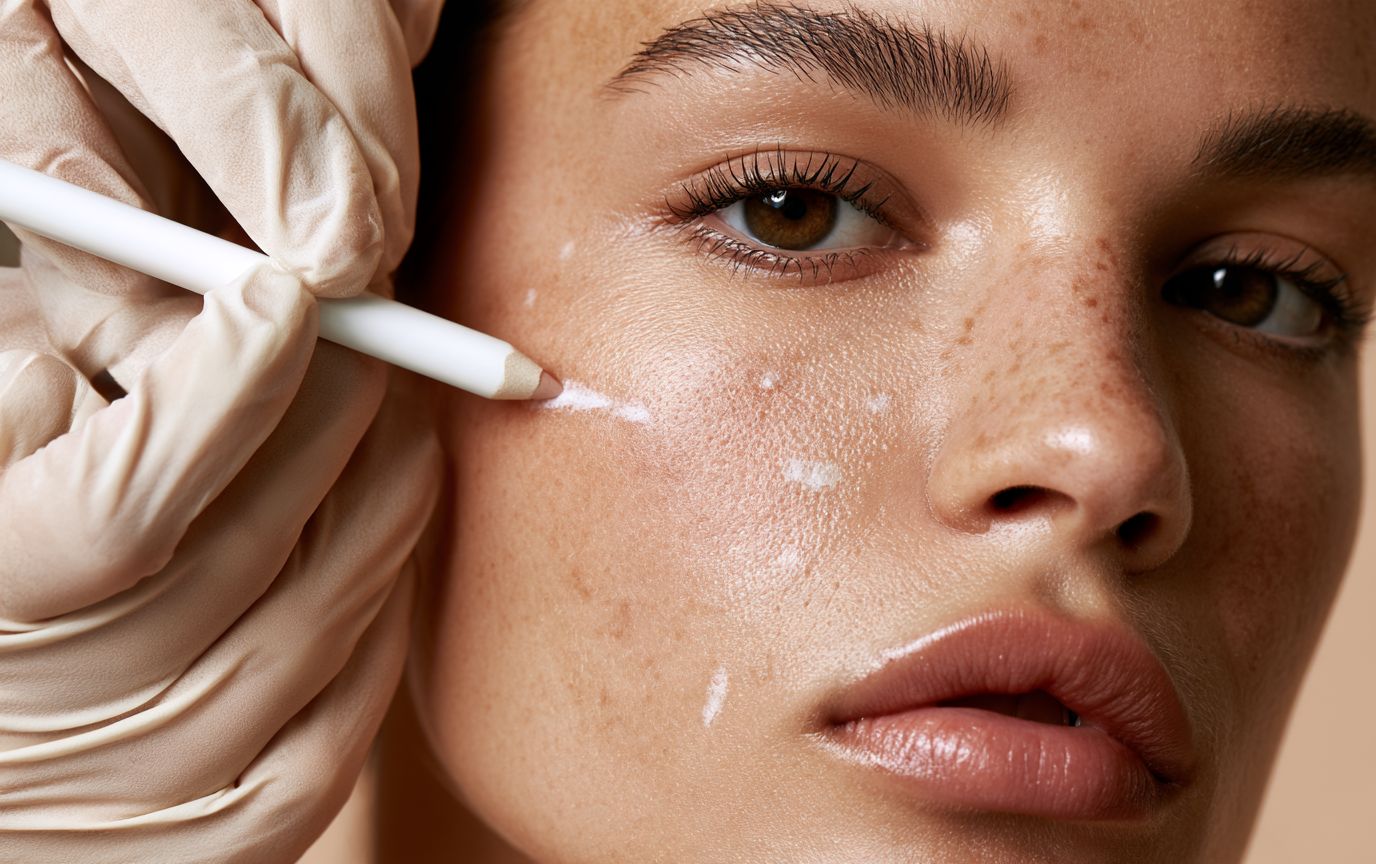
- Controlled micro-injury. Microneedling creates fine channels that set off a wound-healing response, ending in new collagen laid down by fibroblasts. Radiofrequency microneedling adds heat at depth, and the remodelling it starts is gradual, continuing to develop for months after treatment.
- Biostimulators. Injectable poly-L-lactic acid is placed in the deeper layers of the skin, where it prompts collagen production over the following months rather than filling space directly.
- Regenerative injectables. Polynucleotides are increasingly used to support skin quality. Some studies report better elasticity and hydration; others show little benefit, and the evidence is still developing.
- Topical vitamins A and C. In a small controlled trial in adults in their eighties, retinol lotion improved fine wrinkling and increased markers of collagen production. Vitamin C is essential to collagen synthesis, although getting it into the skin is a challenge. A doctor can also advise on skincare at consultation.
Each of these involves some downtime and some risk, including pigment change in darker skin after some energy-based treatments. Suitability is decided at a medical consultation, and results vary between individuals.
Oral collagen supplements are widely marketed for skin, but the evidence is contested. A 2025 meta-analysis of 23 randomised trials found that apparent benefits disappeared when only independently funded or higher-quality studies were considered, although other reviews have been more positive.
Protection comes first
Because ultraviolet light is the main external driver of collagen loss, protection is the foundation of any plan. In a randomised trial in Queensland, Australia, where UV levels are high, adults who used a broad-spectrum sunscreen daily showed no detectable increase in skin ageing over four and a half years, while the comparison group continued to age. In the UK, follow NHS and British Association of Dermatologists guidance: SPF 30 or higher with four- or five-star UVA protection when the UV index calls for it, reapplied every two hours, alongside shade and clothing. Not smoking matters too. Any new or changing mole should be checked by your GP; aesthetic treatment is not a substitute for skin-cancer assessment.
How we approach it at DROM
Every patient has an in-person consultation before any treatment. It is a clinical conversation, not a sales one. It looks at what is driving the change in your skin, whether collagen loss, volume loss, pigment or laxity, because each calls for something different. Where collagen is the issue, plans often combine treatments over time, with follow-up consultations included, since new collagen forms over months rather than weeks.
If you would like to understand what is happening in your own skin, book a consultation and start there.
Rebuilding collagen is possible, but it is slow. Protecting the collagen you already have is where every plan begins.