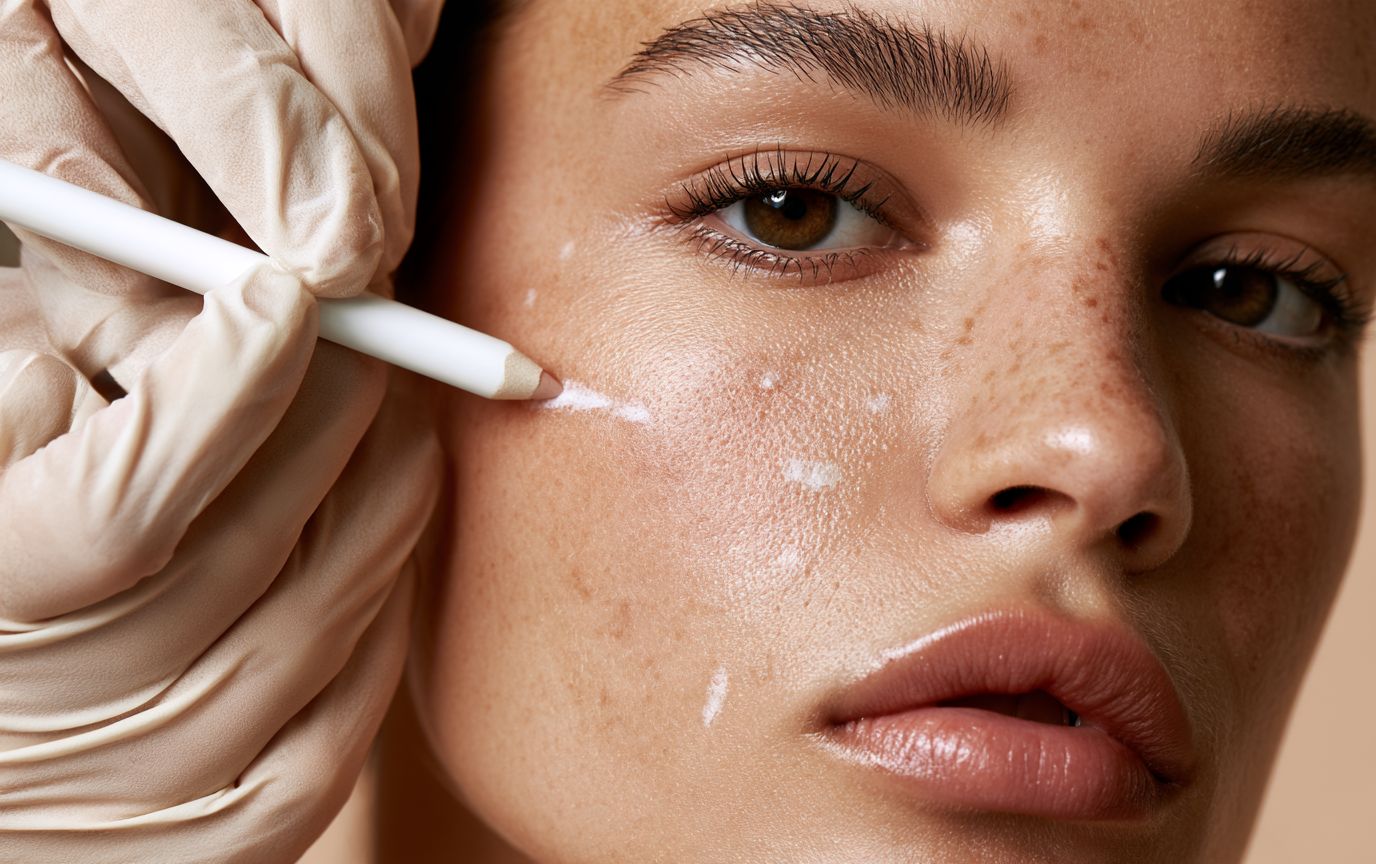
Energy-based treatments work by delivering carefully measured heat into the skin. The skin responds as it would to any deliberate stress: it reddens, may swell a little, and sets about repairing itself. Knowing what that looks like, and how long it should last, makes the days afterwards far easier.
Most of what you notice in the first few days is not a problem to be solved. The warmth, the redness, the slight tightness are the expected response of skin that has been heated on purpose, and the repair that follows is where any result comes from.
The difficulty is that “energy-based” covers a broad family of treatments, and recovery differs considerably between them. It helps to know which one you’ve had, and what is typical for it.
What normal looks like
Radiofrequency without needles warms the deeper layers of the skin through its surface. Mild warmth and redness are common and typically short-lived, and most people return to their day straight away.
Radiofrequency microneedling, such as Morpheus8, delivers heat through fine needles, so the skin has more to recover from. Redness, swelling and a tight, sunburnt feeling are expected, sometimes with a faint grid of pinpoint marks. These usually settle within a few days; in published reviews of microneedling, typically within a week.
IPL, such as Lumecca Peak, uses pulses of broad-spectrum light. The skin often looks pink and feels mildly sunburnt for a few days. Treated brown marks can form tiny darker crusts that flake away as the skin renews. This is expected, and they should be left to fall away on their own.
Laser is the broadest category. Gentler, non-ablative lasers usually allow you to return to normal life straight away. Ablative resurfacing, which removes the skin’s surface layer, is a different undertaking: healing commonly takes around two weeks, sometimes longer, and pinkness can take months to fade fully.
The principles of aftercare
The advice you’re given after treatment is specific to your skin and the device used, and it should always take precedence over anything general. The principles behind it, though, are consistent.
Protect your skin from the sun. Recently treated skin is more sensitive to the sun, and more prone to changes in pigment. Once you’re told it is safe to apply, use a broad-spectrum SPF 50 every day, whatever the weather, and keep going for months rather than days.
Keep skincare simple. A gentle cleanser and a fragrance-free moisturiser are enough. Retinoids, exfoliating acids and scrubs can wait until you are advised to restart them. Crusts and flaking skin should be left to come away on their own; picking can turn a temporary mark into a scar or a lasting change in colour.
Avoid heat, briefly. Saunas, steam rooms, hot baths and strenuous exercise are generally avoided for at least the first day or two while the skin settles, and for longer after some treatments.
When to contact the clinic
Serious complications are uncommon, but they do happen. Burns, blistering and lasting changes in pigment are rare. With treatments that target pigment, such as IPL and many lasers, the risk of pigment change is higher in deeper skin tones, which is why settings are chosen conservatively. Radiofrequency relies far less on pigment, though needling still carries some risk.
None of the following is a reason to wait and see. Contact the clinic if you notice:
- Blistering, weeping, or crusting you weren’t told to expect
- Swelling that lasts more than about three days, or is getting worse rather than better
- Pain that builds after the first day instead of easing
- Skin that becomes hot, swollen and increasingly painful, or feeling feverish or unwell, which can signal infection
- Tingling or small blisters around the lips, which may be a cold sore flaring
- Darker or paler patches appearing in the weeks afterwards
If you have had cold sores before, mention it at consultation rather than afterwards, as it can change how a treatment is planned. If you feel unwell and cannot reach the clinic, contact your GP or NHS 111.
How we approach it at DROM
Every patient has an in-person consultation before any treatment, and recovery is part of that conversation: what you will see, for how long, and what would make us want to see you again. Follow-up and aftercare consultations are included. If something doesn’t look right, you don’t need to decide whether it’s worth a call. It is.
If you are considering an energy-based treatment and would like to understand what recovery would mean for your skin, you can book a consultation and we will talk it through.
Redness that settles is recovery; anything that worsens instead of settling is a reason to call the clinic.